One-Hour House Cleaning Routine: 8 Steps to a Tidy Home
Discover a practical one-hour house cleaning routine with 8 simple steps, a room-by-room cleaning schedule, and daily habits to keep your home tidy.
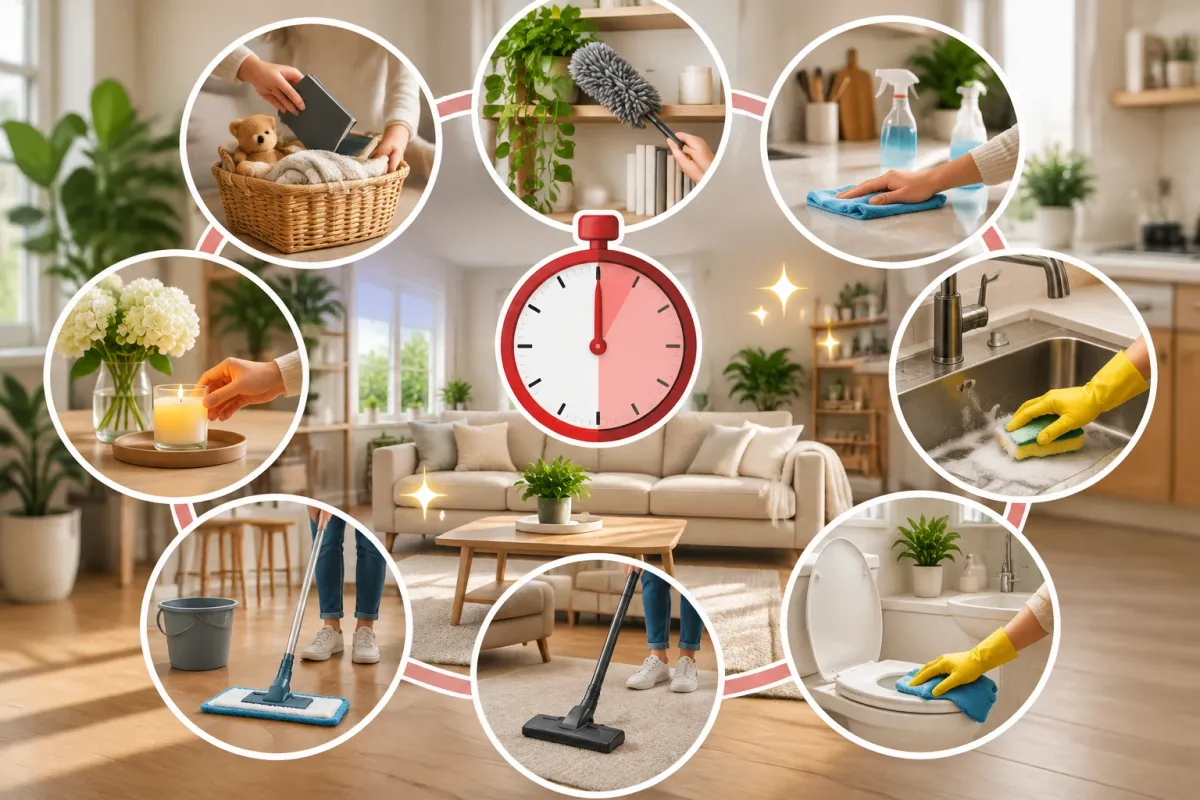
A one-hour house cleaning routine can make a noticeable difference without turning your whole day into a cleaning marathon. The trick is to prepare before you start, move through the rooms in a sensible order, and save the floors for last. You will not deep-clean every corner in 60 minutes, but you can reset the main spaces and make the home feel calmer and easier to manage.
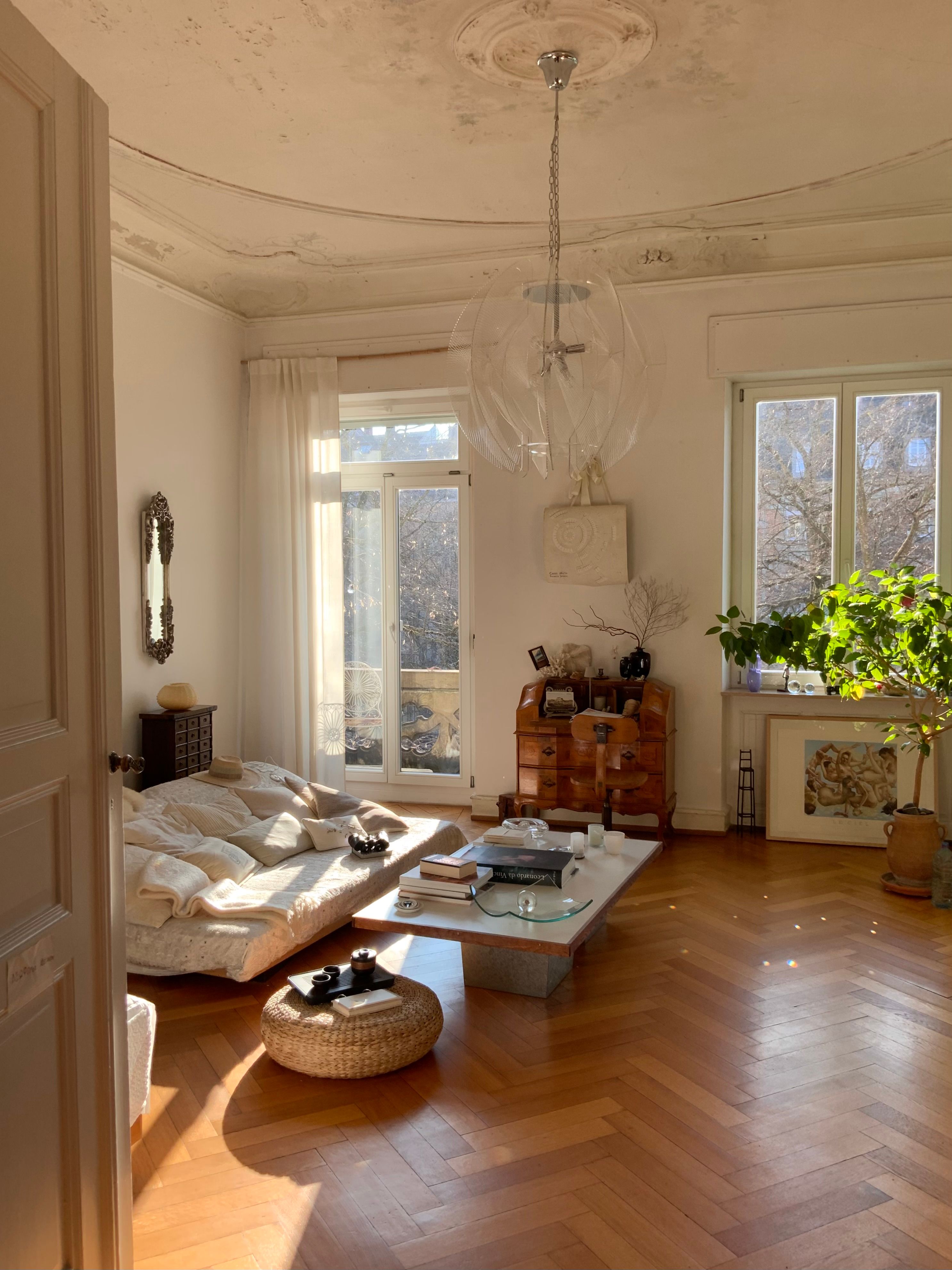
How to make a one-hour house cleaning routine work
The aim is not perfection. It is to reduce the everyday mess before it builds up, give each room a quick reset, and avoid repeating the same work. These eight steps turn cleaning into a sequence you can follow instead of a long list of jobs competing for your attention.
1. Start with the bedrooms and work your way through the home
Begin in the bedrooms, then move on to the living room, hallways and any workspace. Leave the kitchen and bathroom until later, especially if you will be rinsing cloths or using water. This order helps you finish one area before moving on and reduces the chance of carrying dust or cleaning supplies back into rooms you have already completed.

2. Air out the rooms before you dust
Open the windows briefly before cleaning to refresh the air. If you leave them open while dusting, outdoor dust and pollen can settle on surfaces again, so close them once the room has aired out. You can open them again when vacuuming if the weather and outdoor conditions make that comfortable.
3. Put things away before cleaning surfaces
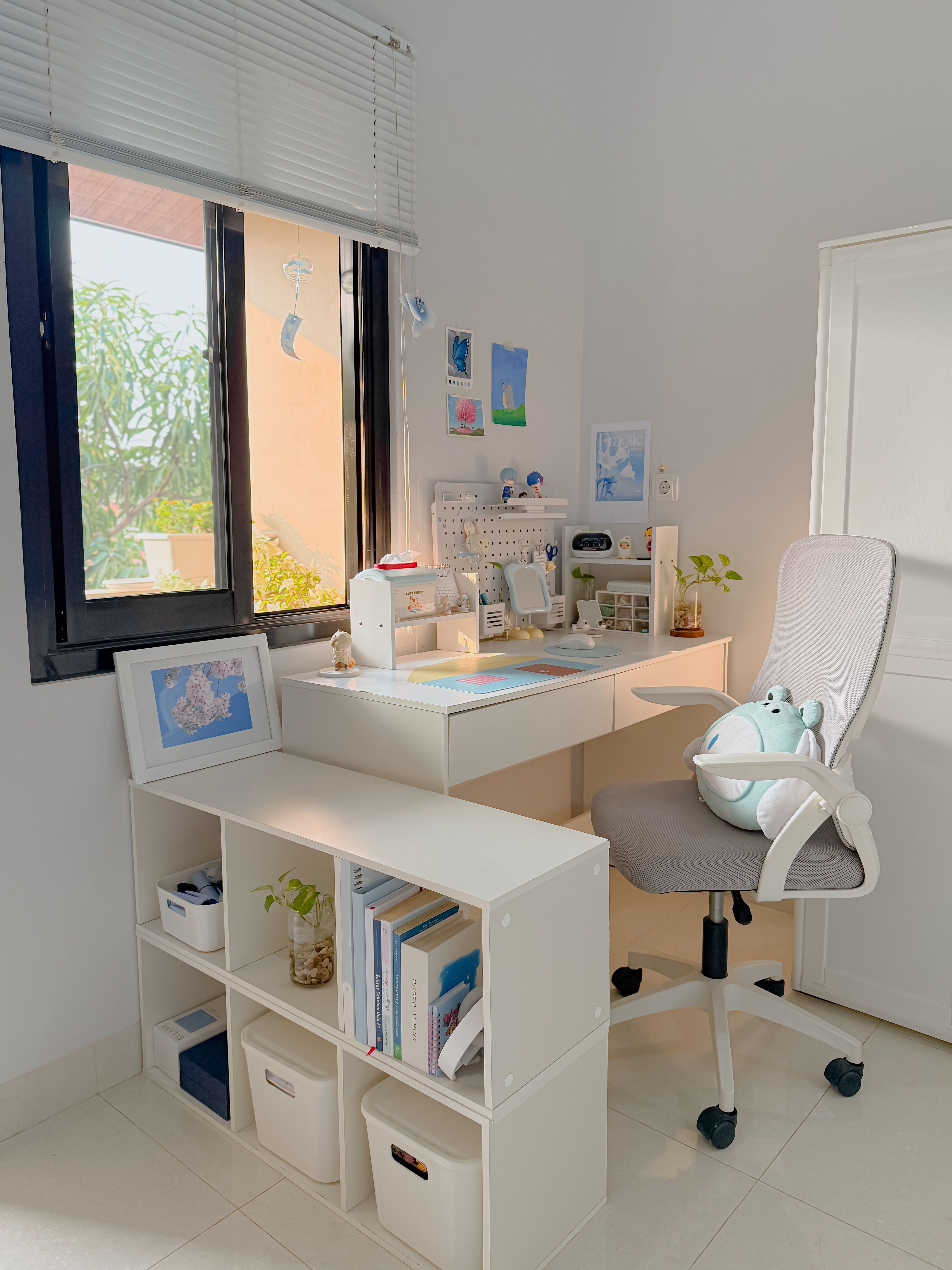
Pick up clothes, cups, papers, toys and anything else that does not belong where it is. Clear bedside tables, desks, kitchen counters and the floor. Use a basket for items that need to go to another room, then return them in one trip. Dusting and wiping are much quicker when you are not moving objects one by one.
4. Choose products that suit the surface
A gentle multi-surface cleaner is useful for everyday upkeep, but some jobs need a product made for the material or the type of dirt. A kitchen degreaser can help with cooking residue, while a bathroom cleaner is designed for soap marks and mineral deposits. Read the label, respect the recommended contact time, and test unfamiliar products on a small, hidden area first.
Safety reminder: Never mix cleaning products. In particular, do not combine bleach with vinegar, ammonia or other cleaners. Keep the room ventilated and follow the manufacturer's directions.
5. Keep your cleaning tools together
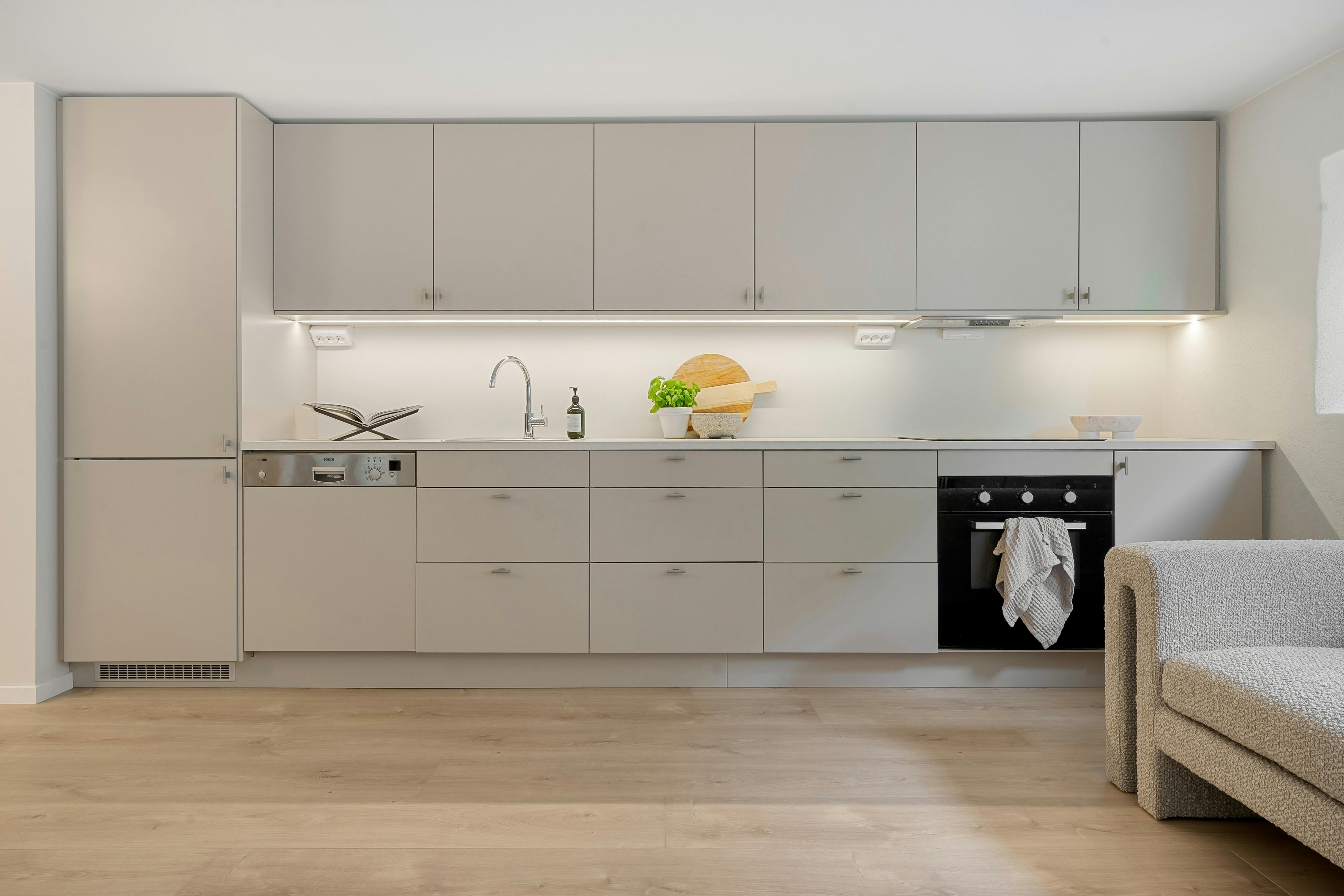
Put the essentials in a caddy or small basket: microfiber cloths, sponges, gloves, a duster, rubbish bags and the products you actually need. Keep specialist products separate and take only the supplies required for each room. Having everything close by saves repeated trips and helps you stay focused.

6. Clean from top to bottom
Start with higher surfaces, shelves and furniture, then work down to lower surfaces and finally the floor. Dust naturally falls, so this order prevents you from having to clean the same area twice. Use a duster or microfiber cloth for reachable surfaces, and do not forget the edges and corners where dust tends to collect.
7. Make use of short gaps in your day
Not every cleaning task needs a dedicated block of time. While dinner is cooking, wipe the counter or put away items. While the kettle boils, clear the sink. When you change the laundry, collect clothes from the bedroom floor. Small jobs that take five or ten minutes can prevent a much bigger pile-up later.
8. Build a short daily reset into your schedule
Try setting aside around 20 minutes each day instead of leaving every task for the weekend. Make the bed, return items to their places, wipe the kitchen counter, deal with visible bathroom splashes or vacuum one high-traffic area. You can rotate the focus from room to room. Consistency matters more than doing everything every day.
A practical 60-minute cleaning plan, room by room
Once the rooms are prepared and the supplies are ready, use a timer to keep the pace realistic. Adjust the minutes to the size of your home and the number of people living in it. The schedule below is a maintenance clean, not a substitute for a deeper seasonal clean.
- Bedrooms — 10 minutes: Make the beds, straighten pillows, put clothes away, clear bedside tables and dust the most visible surfaces. Give the floor a quick vacuum if needed.
- Living room — 10 minutes: Put away cups and clutter, straighten cushions, dust tables and shelves, and vacuum the sofa or rug where crumbs and dust collect.

- Bathroom — 15 minutes: Apply a suitable bathroom cleaner according to its label. While it works, tidy toiletries, clean the mirror and wipe the sink, taps and toilet with the appropriate cloths. Finish by rinsing or wiping surfaces as directed and drying splash-prone areas.

- Kitchen — 15 minutes: Clear the counters, clean the cooktop and the areas around it, wipe cabinet fronts where there are fingerprints, and finish with the sink and taps. Use a food-safe approach on food-preparation surfaces and follow product directions.
- Floors — 10 minutes: Vacuum or sweep the main traffic areas, then mop suitable hard floors. Use a cleaner made for the floor material and avoid excess water on wood or other moisture-sensitive surfaces.
How often should you clean the items that are easy to forget?
Some areas do not need attention every day, but they should not be ignored indefinitely. Use this as a flexible reminder and always follow the care label or the appliance manufacturer's instructions.

- Curtains and blinds: Dust or vacuum them regularly; review them monthly and wash only as the fabric label allows.
- Mattress: Air the bed regularly and vacuum the mattress about once a month, following its care instructions.
- Duvets and pillows: Review them about twice a year and wash or professionally clean them only as their care labels recommend. Change pillowcases more frequently.
- Sofa and cushions: Vacuum upholstery and under the cushions monthly, or more often if you have pets or heavy daily use. Wash removable covers according to their labels.
- Windows: A clean every couple of months is a useful starting point, with more frequent attention for windows exposed to rain, traffic or fingerprints.
- Washing machine: Clean the detergent drawer, door seal and filter as recommended by the manufacturer. Run a drum-cleaning cycle when the appliance calls for it; in many homes, a twice-yearly reminder is a practical starting point.
- Lamps, doors and less-used surfaces: Add them to a seasonal checklist so they do not disappear from your routine.
Small habits that make a clean home easier to maintain
A tidy home is usually the result of repeatable habits, not one exhausting cleaning session. Try these simple rules:
- Put an item back after using it instead of leaving it on the nearest surface.
- Wipe kitchen spills and bathroom splashes when they happen.
- Keep a laundry basket where clothes tend to collect.
- Do a five-minute evening reset of the living room and kitchen.
- Choose one deeper-cleaning task each week, such as the fridge shelves, shower screen or window tracks.
Frequently asked questions
Can you really clean a whole house in one hour?
You can complete a useful maintenance clean in an hour, especially in a smaller home that is already reasonably organised. A large home, heavy mess or detailed deep clean will take longer. The goal is to prioritise the rooms and surfaces that make the biggest difference.
What should you clean first?
Start with bedrooms and other dry areas, then move through shared spaces. Leave the kitchen and bathroom until later, and clean floors last so dust and crumbs are not dropped onto freshly cleaned surfaces.
Is it better to clean a little every day or all at once?
A short daily reset is easier to maintain for most households. It keeps clutter and small messes under control, while a weekly hour can cover the main room-by-room tasks. You can still schedule occasional deep cleaning for jobs that need more time.
The takeaway: Keep the order simple, prepare your supplies, work from high surfaces down, and give yourself a manageable daily reset. A home does not need to be spotless to feel comfortable; it needs a routine that works with real life.