Halloween + Día de Muertos 2026: 15 Creative Ideas
Explore 15 Halloween and Día de Muertos ideas for 2026, including Catrina makeup, couple costumes, home ofrendas, altar ideas and festive nail art.
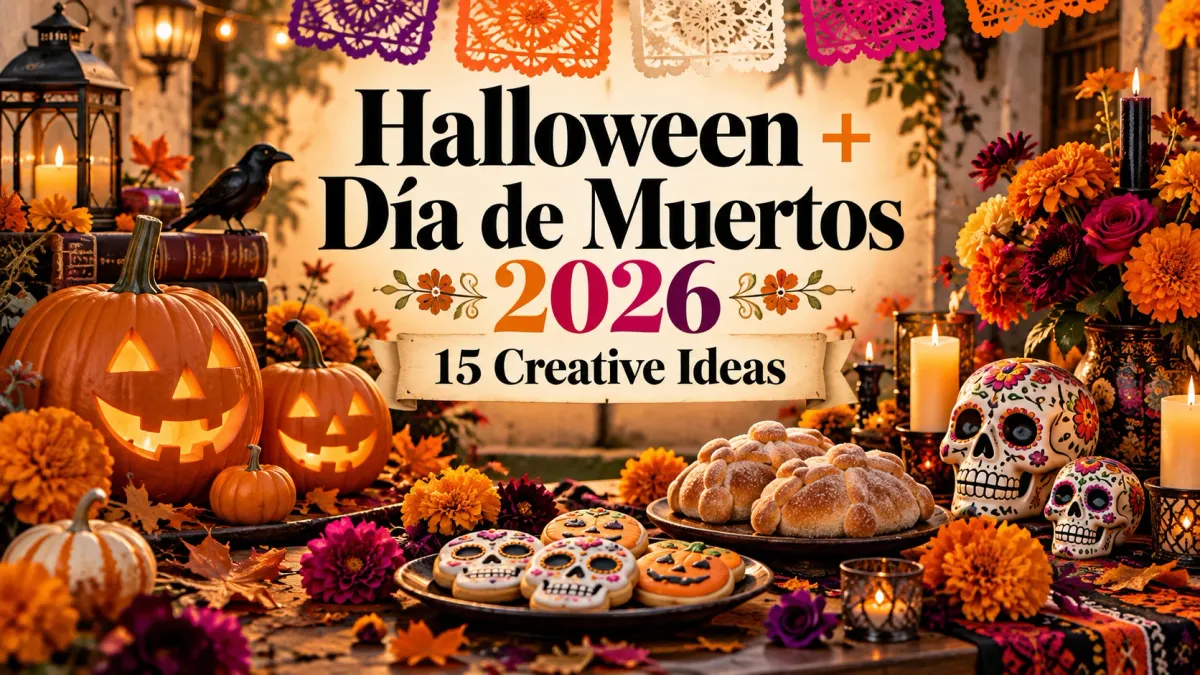
Late October has become one of the most visually packed moments of the year. Black lace, ghosts and deep burgundy nails show up next to marigolds, papel picado, floral skull imagery and candlelit altars.
That overlap can create beautiful makeup, costumes and home projects—but context matters. A Catrina look can be dramatic and artistic; an ofrenda is something more personal. Knowing the difference makes the creative choices stronger, not less fun.
1. Catrina makeup: from the base to the flowers
A Catrina-inspired look works best when it feels decorative rather than simply scary. Instead of covering every inch of the face with black and white, choose a limited color palette and let the floral details carry the design.
Classic floral Catrina
Start with a regular foundation base instead of automatically painting the entire face white. Define the eye sockets with black or deep brown, then build a ring of petals around each eye using orange, coral or magenta.
- Prep the skin and apply your usual base.
- Outline the eyes with a dark pencil or face paint.
- Add petal shapes around the eye sockets.
- Shade the nose in a soft skull shape.
- Add fine lines around the lips rather than drawing oversized teeth.
- Finish with dots, flowers or small ornamental details.
Half-face Catrina
Keep one side of the face closer to traditional beauty makeup and build the skull design on the other. It photographs well and gives you room to use eyeliner, shimmer and lipstick without overwhelming the look.
Marigold and jewel-tone Catrina
Instead of relying only on red and black, pair marigold orange with emerald, plum or deep blue. Repeat one of those colors in a flower crown or hair accessory so the face and outfit read as one look.
2. Three couple costume ideas for Halloween season
Coordinated costumes are especially strong when the pair shares a palette and one recognizable visual element instead of wearing two unrelated outfits.
If you are specifically celebrating Día de Muertos rather than attending a Halloween party, keep the look connected to the event and its meaning instead of treating traditional symbols only as horror accessories.
3. How to make a simple ofrenda at home
An ofrenda is not just seasonal decoration. It is created to remember people who have died and can include photographs, candles, flowers, favorite foods and personal objects connected to them.
There is no single universal layout. Traditions vary by family and region in Mexico, but several elements appear frequently.
4. Halloween + Día de Muertos nail ideas
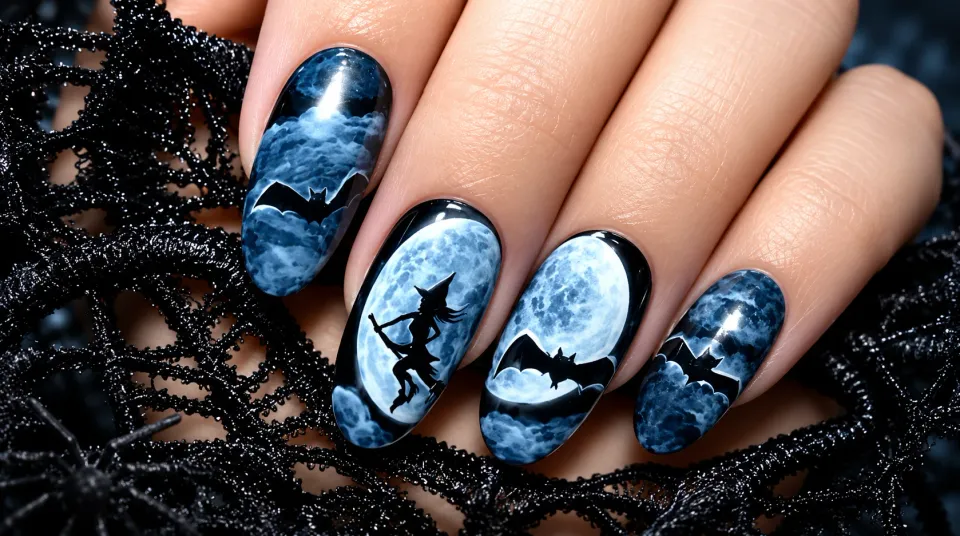
Nail art is one of the easiest places to let the two October palettes sit together without pretending the celebrations are interchangeable.
Black French tips + marigold accents
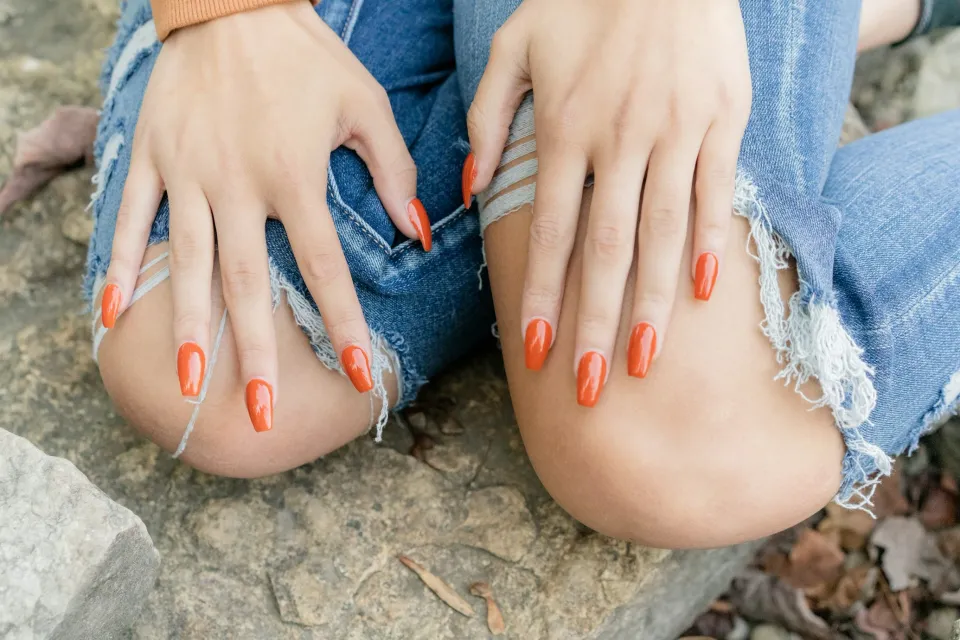
Use a sheer nude base, thin black tips and one or two small orange flowers. It reads as October without covering every nail in detailed art.
Floral skull accent nail
Keep four nails simple in burgundy, plum or black and reserve one nail for a small decorative skull surrounded by colorful petals.
Velvet burgundy + gold flowers
A magnetic or velvet burgundy base already feels right for Halloween. Add tiny gold or marigold floral accents for a warmer late-October finish.
5. Beginner Día de Muertos altar ideas
If this is your first time creating an altar, start small. A meaningful one-level setup can work better than an elaborate display filled with objects that have no connection to the person you are honoring.
Small shelf altar
Use a shelf or narrow console with one framed photograph, flowers, a glass of water, a candle and one meaningful personal object. This is ideal when you live in an apartment or have very little space.
Family memory table
Dedicate a larger table to several family members. Group photographs together, then use food, flowers and personal objects to create small areas connected to each person.
Color-focused altar
If you want the altar to feel visually cohesive, choose a limited palette—such as marigold, magenta and purple—but let the photographs and personal offerings remain the center of the display.
How to combine Halloween and Día de Muertos respectfully
The easiest rule is to separate inspiration from memorial practice.
Halloween gives you plenty of room for playful costumes, dramatic makeup, bats, ghosts, pumpkins and darker nail art. Día de Muertos can inspire an appreciation for its craftsmanship, flowers, papel picado and Catrina imagery, but an ofrenda has a specific commemorative purpose.
- Learn what the symbols mean before using them.
- Name Día de Muertos when a design clearly draws from it.
- Use an ofrenda to remember real people.
- Let photographs and personal objects remain central to an altar.
- Explore color and floral details without turning every symbol into horror imagery.
- Calling Día de Muertos “Mexican Halloween.”
- Building a fake memorial altar only as a spooky party prop.
- Using random photographs of people you do not know as decorative elements.
- Presenting one altar layout as the only “correct” version.
- Assuming every skull design automatically represents Día de Muertos.
Frequently asked questions
Is Día de Muertos the same as Halloween?
No. Halloween is celebrated on October 31 and is widely associated with costumes, trick-or-treating and spooky entertainment. Día de Muertos is a distinct tradition centered on honoring and remembering people who have died, commonly through family gatherings, graveside visits and ofrendas.
What should a beginner put on a Día de Muertos altar?
A simple altar can include a photograph of the person being remembered, water, candles or LED candles, flowers, food and a meaningful personal object. Traditions vary by family and region, so there is no single required layout for every altar.
Can you wear Catrina makeup for Halloween?
Catrina-inspired makeup is often seen during late-October events, including Halloween parties. If the design clearly draws from Día de Muertos, understanding and acknowledging that cultural context is better than treating it as generic skull makeup.
Smithsonian National Museum of American History — Day of the Dead: It's Not Halloween
National Museum of the American Latino — Day of the Dead Resources
Instituto Nacional de los Pueblos Indígenas — Meaning of Día de Muertos Ofrenda Elements
Gobierno de México / PROFECO — Common Elements of a Día de Muertos Ofrenda